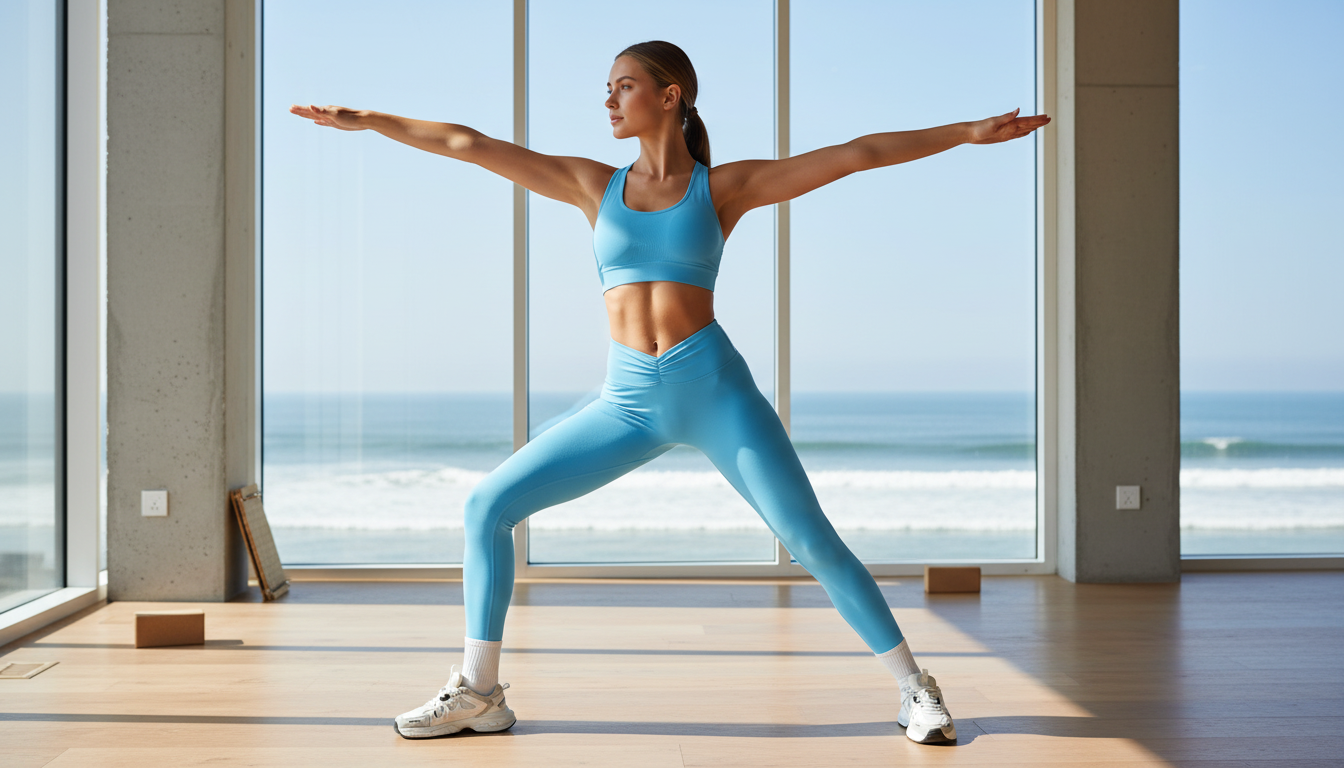
High-waisted leggings became the default because they solve several everyday fit problems at once: they stay put, smooth the midsection, and work with more outfits. As athleisure moved from the gym into daily wear, shoppers started favoring leggings that feel secure during movement and still look polished with oversized tees, cropped jackets, and fitted tanks.
A higher rise gives the waistband more surface area to grip, which helps prevent rolling and slipping during walking, squats, or running errands. Many brands also pair high rises with wider waistbands and compressive knits, creating a more stable fit than low- or mid-rise options.
High-rise designs often distribute compression across the waist and lower abdomen, which can feel supportive and look streamlined under tops. That smoothing effect is one reason high-waisted leggings are frequently chosen for both workouts and casual styling.
Fashion cycles have leaned toward higher waists across jeans, trousers, and skirts—leggings followed the same direction. High-waisted leggings also balance proportions when wearing shorter tops or layering with longline outerwear, making them an easy match for a wide range of wardrobes.
For many people, a high rise simply feels more comfortable—less tugging, less adjusting, and more coverage when bending or stretching. That extra coverage can also feel more confidence-boosting in public settings, especially with lighter colors or thinner fabrics.
For a deeper look at fit, styling, and what to consider when choosing a rise, visit the full guide on high-waisted leggings.
For Why High-Waisted Leggings Took Over: Fit, Style, Comfort, the best answer depends on fit, material, care instructions, and how the product will be used day to day.
Yes—many people prefer them for workouts because the higher waistband tends to stay in place and offers more core coverage during bending, squatting, or running.








Leave a comment