Short-Sleeve T-Shirt: The Everyday Essential That Works Harder Than It Looks
A short-sleeve T-shirt can anchor a capsule wardrobe, travel packing list, or daily uniform—when the fabric, fit, and finishing details match the way it’s actually worn. Use the guide below to choose a tee that feels comfortable, holds its shape, and styles easily across casual and polished outfits.
The best tees look effortless, but the difference shows up in the small details—how the knit feels against skin, how the neckline lies, and whether the shape holds after repeat washes.
- Fabric hand-feel: Soft against skin without feeling flimsy. Skip scratchy finishes and overly stiff knits unless a structured look is the goal.
- Weight and opacity: Lightweight tees breathe well; midweight tees drape better and tend to be less see-through, especially in lighter colors.
- Construction details that matter: Even stitching, clean shoulder seams, and a neckband that lies flat help a tee look new longer.
- Shape retention: Look for knits that rebound after stretching at the neckline, elbows, and hem.
- Everyday versatility: A classic crew or refined V-neck plus a balanced sleeve length pairs easily with jeans, trousers, and skirts.
Quick Comparison: Fit, Feel, and Best Use
| Type |
Feel & Drape |
Best For |
Styling Tip |
| Lightweight knit tee |
Airy, looser drape |
Hot weather, layering under overshirts |
Half-tuck into high-rise denim for definition |
| Midweight classic tee |
Balanced structure and softness |
Daily wear, work-casual with a blazer |
Add a belt and clean sneakers for a sharp finish |
| Relaxed/boxy tee |
Roomy through body and sleeves |
Casual outfits, weekend comfort |
Pair with slim bottoms to balance proportions |
| Fitted tee |
Closer to body, smooth under layers |
Layering, polished silhouettes |
Wear under a jacket with tailored trousers |
Choosing the Right Fabric for Comfort and Longevity
A T-shirt is only as “easy” as the fabric allows. Comfort, durability, and how the tee looks at the end of the day come down to fiber choice, knit density, and finishing.
- Cotton: Breathable and easy to wear; long-staple cotton typically feels smoother and resists pilling better over time. For general cotton care guidance, see Cotton Incorporated.
- Cotton blends: A small percentage of synthetics can improve wrinkle resistance and shape retention—just make sure it still feels breathable.
- Stretch content: A touch of elastane can help fitted tees keep their form; too much can cling and show lines.
- Finish and knit: Jersey is common for a soft, casual drape; tighter knits can look more elevated and help reduce sheerness.
- Sensitive-skin note: Prioritize softer knits and remove scratchy tags when possible to reduce irritation.
Fit and Proportions: Neckline, Sleeves, and Length
When a tee fits well, it disappears into the outfit in the best way—clean lines, no constant adjusting, and an easy drape that flatters without trying too hard.
- Neckline: Crew necks feel classic and frame jewelry well; V-necks can elongate the neckline for a dressier effect.
- Shoulder seam placement: Seams that sit at the shoulder point look polished; dropped shoulders feel relaxed and casual.
- Sleeve length: Mid-bicep is a versatile sweet spot; shorter sleeves read sporty, longer sleeves can feel more modest and balanced.
- Body length: A tee that hits around the hip bone is easiest to tuck or leave untucked; cropped options pair best with high-rise bottoms.
- Ease through the torso: Slight ease improves airflow and reduces cling; fitted looks best when fabric is opaque and seams are stable.
Outfit Ideas for a Simple, Put-Together Look
A solid tee earns its keep by moving between relaxed and refined without needing a full outfit change. Small swaps—shoes, belt, outerwear—do most of the work.
- Everyday casual: Pair with straight-leg jeans and sneakers; add a lightweight jacket for structure.
- Work-casual: Tuck into tailored trousers, add a belt, and finish with loafers or clean low-profile shoes.
- Warm-weather uniform: Wear with shorts or a skirt; choose breathable fabrics and lighter colors for comfort.
- Layering: Use a tee as the base under cardigans, overshirts, or sweatshirts; avoid bulky neckbands when layering heavily.
- Dressier contrast: Pair a clean, solid tee with a sleek skirt or structured dress pieces for an intentional high-low mix.
Care Tips to Keep a T-Shirt Looking New
Good care is less about complicated routines and more about reducing heat, abrasion, and over-washing. For care labeling basics, the FTC Care Labeling Rule is a helpful reference for understanding garment instructions.
A Solid Everyday Pick
Featured Item Snapshot
| Item |
Price |
Availability |
Best Use |
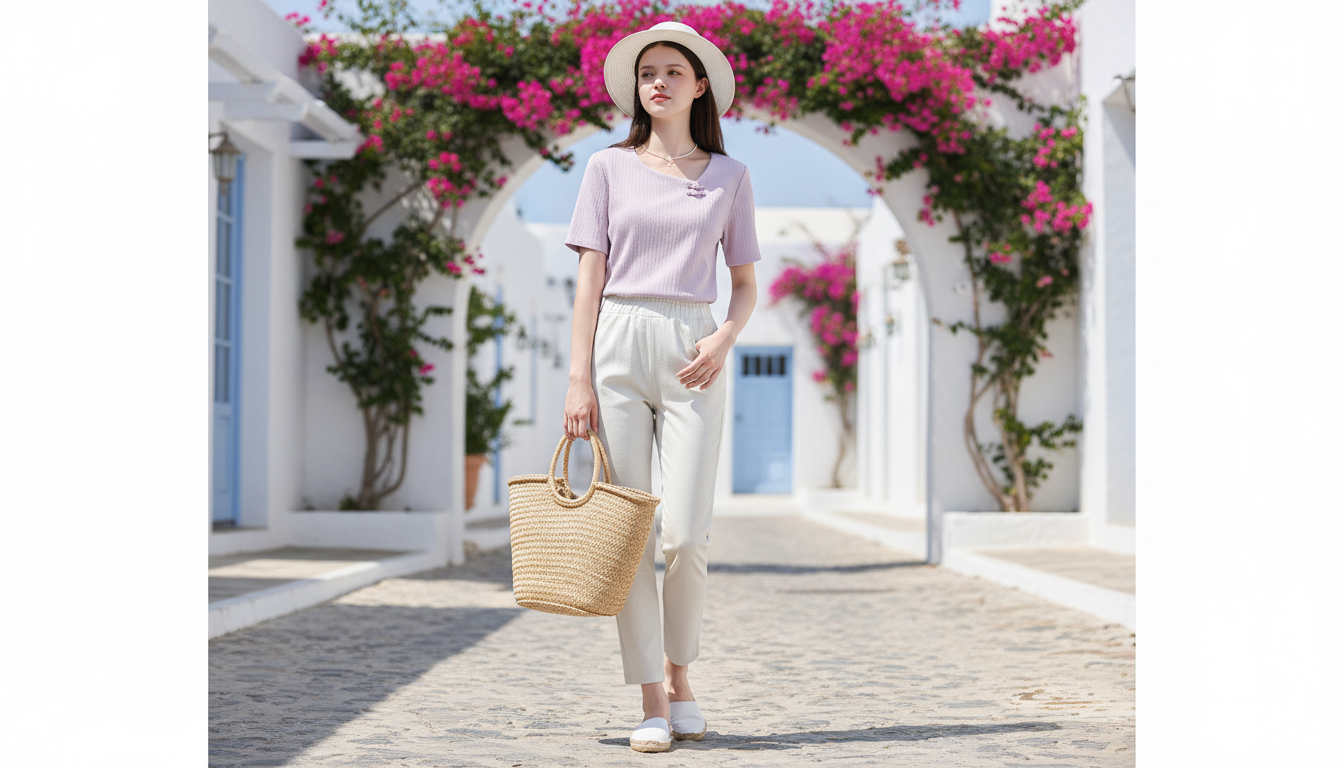
| Short-Sleeve T-Shirt |
29.51 USD |
In stock |
Daily wear, layering, casual-to-polished outfits |
Pairing Options From the Same Shop
FAQ
How should a short-sleeve T-shirt fit at the shoulders?
Shoulder seams should land close to the shoulder point for a clean, polished look. If the seam sits far down the arm, it will read intentionally oversized and more casual.
How can shrinkage be minimized after washing?
Wash in cool water on a gentle cycle and air-dry when possible (or tumble dry low). Heat is the biggest driver of shrinkage for many knit tees.
What’s the easiest way to dress up a T-shirt?
Choose an opaque, smooth knit and tuck it into tailored bottoms with a belt. Finish with structured outerwear or refined shoes to make the tee look intentional, not leftover.
Recommended for you








Leave a comment